

Heated Rivalry… Imperialism Spinoff
Skip To
Bonus Matchups
The Rangaku Period - Netherlands v. Japan*
The Disgrace of Gijón - Austria v. Algeria*
Background
International sport is a wonderful way to hash out some past grievances in a fun, safe, and competitive way. I’m not sure why my friends and I have always been intrigued by broader historical match ups, but I thought I would post the 3/5 we have found for the World Cup. It’s always good to remember the world doesn’t revolve around the United States, and every other country has their own history, politics, and animosities.
Since there weren’t a ton of specifically former colonies playing against their former imperialists (only 3), I’ve added two extras for content’s sake. And due to the way the World Cup draw is done and the additional teams, teams aren’t very likely to play continental neighbors, so it does lead to more “random” match ups. Even in the previous World Cup in Qatar, there were some three imperialism matchups: in the group stage, USA v. England, France v. Tunisia, and Portugal v. Uruguay. Though in the knockout rounds we got a couple more, with Morocco playing against both Spain and France. 5/64 means we’ll hopefully get a few more spicy imperialist matchups in the knockout stages this summer.
I’ve been getting tired, so some of this was written by AI, but I did end up reading a ton about all five of these countries and learned a lot. Hopefully you do as well!
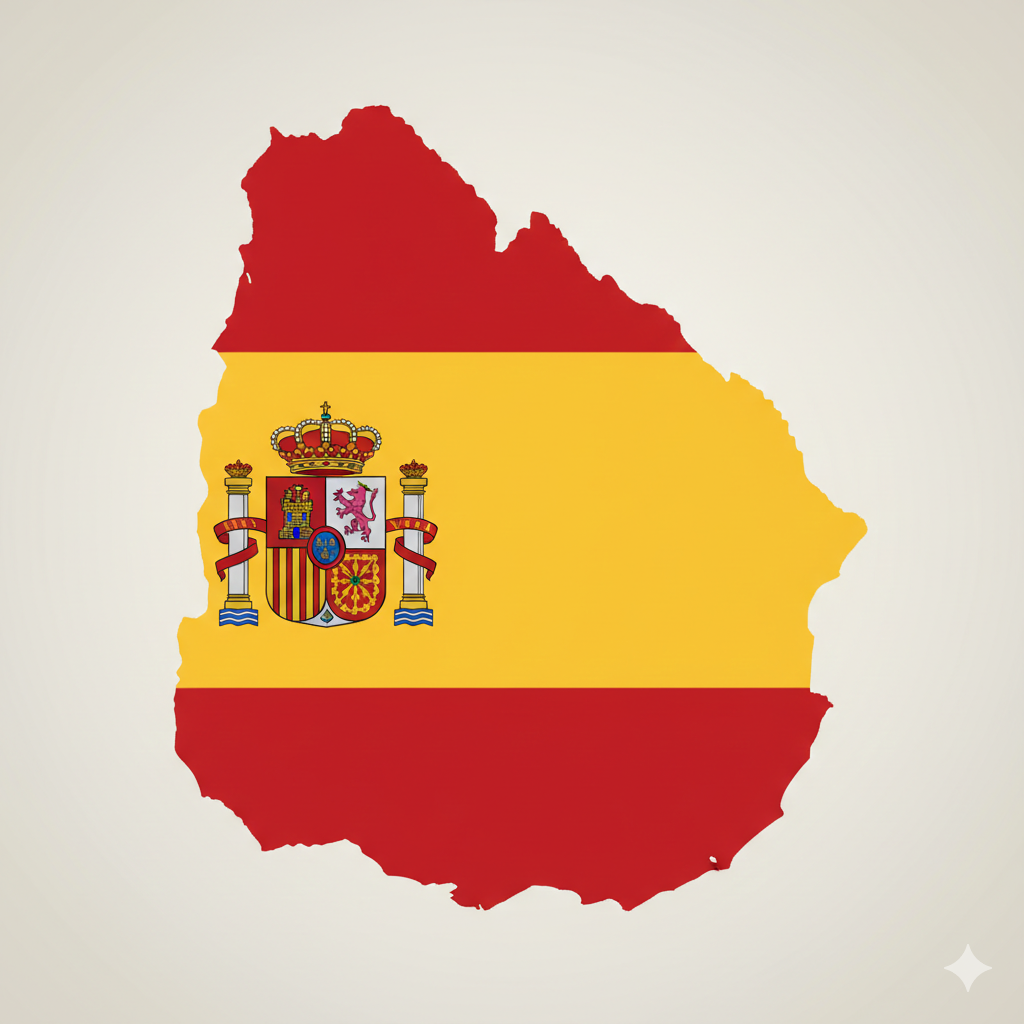
Spain v. Uruguay
Claimed by Spain after discovery in 1516, it wasn’t until the founding of Montevideo in 1726 that it really became a colony. It was a contested area with Portugal, leading to prolonged conflict and shifting control over the region. Eventually independence was fought by the United Provinces of the Río de la Plata (a hodgepodge group of states that would later break up to become parts of Bolivia, Argentina, Uruguay, and Brazil) in a series of wars that lasted over two decades, between all of the states, themselves, and other factions like Spain and Portugal.
Years: 1516 (Initial discovery) / 1726 (formalized colony) – 1811 (Start of the revolution). Formal Uruguayan independence was achieved in 1828-1830.
First Interactions: The first interaction in 1516 saw explorer Solís killed by the indigenous Charrúa people. Unlike the gold-rich regions of Peru or Mexico, Uruguay was largely ignored for a century because it lacked minerals. It wasn't until the 1700s that Spain fully moved in, mainly to stop the Portuguese from expanding Brazil southward.
Famous Individuals:
Juan Díaz de Solís (Spain): The first European to navigate the Río de la Plata in 1516.
José Gervasio Artigas (Uruguay): The "Father of Uruguayan Nationhood" who led the revolt against Spanish rule in 1811. Unfortunately, in the turmoil of many wars and constantly changing factions he eventually became isolated and “left behind” / self-exiled to Paraguay where died in 1850.
Juan Antonio Lavalleja (Uruguay): A revolutionary leader who commanded the legendary "Thirty-Three Orientals," a patriot band that secretly landed on Uruguayan shores in 1825 to ignite the final successful uprising against Brazilian rule, eventually leading to the nation's formal sovereignty.
Independence:
Following Buenos Aires’ May Revolution in 1810 and the redesignation of the Spanish empire’s regional capital to Montevideo Artigas led a rebellion in 1811 and besieged the new capital with the support of “Argentina”. However Argentine defeats in the region led them to making a truce with Spain to try and consolidate their new independence.
Artigas retreated, but slowly gained more followers as Brail / Portugal occupied the area in 1817.
In 1825 Lavalleja invaded in Uruguay with his group called the Thirty-Three Orientals (Treinta y Tres Orientales) (named after the core crew of 33 men) and declared independence from Brazil (it is kind of confusing how such a small force was the catalyst for a full scale insurrection.
The Cisplatine War followed with Uruguay a proxy for an Argentina v. Brazil fight, and by 1828 the UK mediated a treaty between the two countries with Uruguay as the independent buffer state.
Sentiments Today: Generally very positive. As of 2026, Spain is the leading investor in Uruguay. The relationship is viewed as a partnership of "vibrant democracies," with recent high-level agreements signed in 2025 regarding security and trade. Uruguay probably has a stronger rivalry with Argentina and Brazil these days.
Lasting Influences: The legal system, Catholicism, and the Spanish language. Spanish banks (Santander and BBVA) still dominate the Uruguayan financial sector today.
More Context: Uruguay was a "buffer state." It was the site where the Spanish and Portuguese empires physically crashed into each other, creating a unique hybrid culture compared to the rest of South America. It’s also named Banda Oriental at this time, which is random, I didn’t research why it was called this to be fair. Also, the independence movements of South America were made easier with the Napoleonic Wars in Europe that upended traditional European powers and created a good opportunity for rebellions to occur (just another reason my pitch for a series called and featuring The Brothers Bonaparte would be really cool, but even just the story of the United Provinces of the Rio de la Plata could be cool).
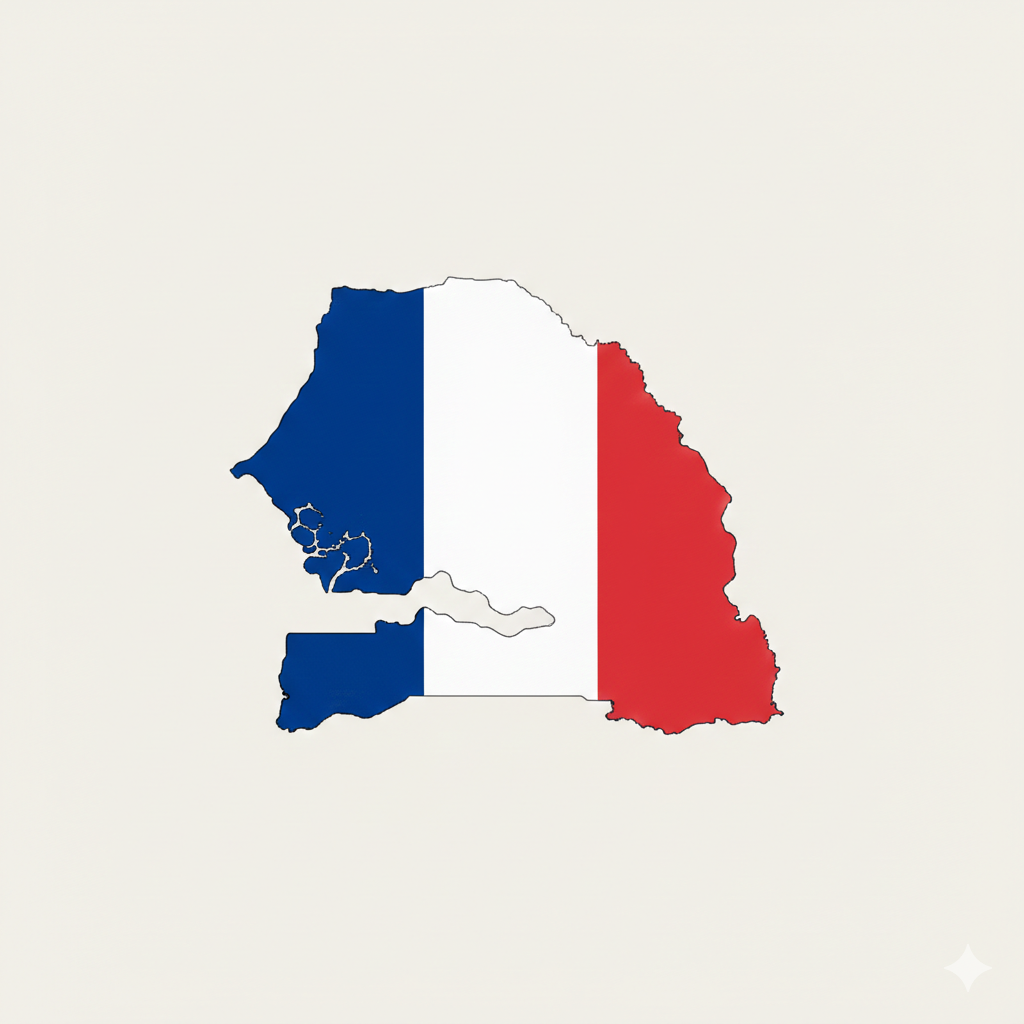
France v. Senegal
Initially reached by the Portuguese in 1444, it wasn’t until the French established the permanent settlement of Saint-Louis in 1659 that the region truly became a focal point of European colonization. For centuries, the territory was a contested prize between France, Britain, and the Netherlands, who vied for control of strategic outposts for the lucrative slave and commodity trades. Eventually, the push for independence was led by a French educated elite through decades of political negotiation rather than a singular war. This process culminated in 1960 as a fully sovereign republic, while maintaining exceptionally deep cultural and linguistic ties to France.
Years: 1659 (Founding of Saint-Louis) – 1960.
First Interactions: It began with trade. The French established Saint-Louis as a permanent trading post for gum arabic and slaves. Unlike other colonies, the "Four Communes" of Senegal (Dakar, Saint-Louis, Rufisque, Gorée) were eventually treated as part of France, with residents granted full French citizenship as early as 1848.
Famous Individuals:
Léopold Sédar Senghor (Senegal): The first President in 1960 and a world-renowned poet. His tenure started rocky at best, within two years he arrested his prime minister under suspicion of a coup d’etat, and set up an authoritarian presidential regime where rival political parties were all suppressed. Over a decade later he allowed an approved three parties, and after his resignation, they- removed all restrictions for political parties. He has a mixed legacy, with some appreciating his intellectual nature, cultural pride, stability, peace, and successful handover of power, and his critics pointing out his authoritarianism, pro-French bias, and lack of domestic economic growth, often just resorting to relying on France.
Blaise Diagne (Senegal): The first African elected to the French Parliament in 1914.
Famous Incidents:
The Thiaroye Massacre (1944): French troops opened fire on Senegalese "Tirailleurs" (infantrymen) who were protesting for back pay after fighting for France against the Nazis. This remains a major point of tension; France only officially acknowledged it as a "massacre" in late 2024. Records are unclear, but somewhere between 35 to a few hundred were killed.
Independence: Sort of in 1958 when they had a referendum allowing them the ability to self govern and become an autonomous republic in the French Union, then a brief merger with French Sudan that lasted two years, then a full independence in 1960.
Sentiments Today: Complex and Tense. While political ties remain stable, a massive "decolonial" movement among Senegalese youth in 2025-2026 has led to protests against French military presence and the use of the CFA Franc (a currency tied to the Euro).
Lasting Influences: French remains the official language. The education system is modeled on the French lycée, and "Senegalese French" has its own unique slang (influenced by Wolof).
Helpful Context: Senegal is one of the last nations still using a currency that critics argue gives the French Treasury too much control over West African economies.
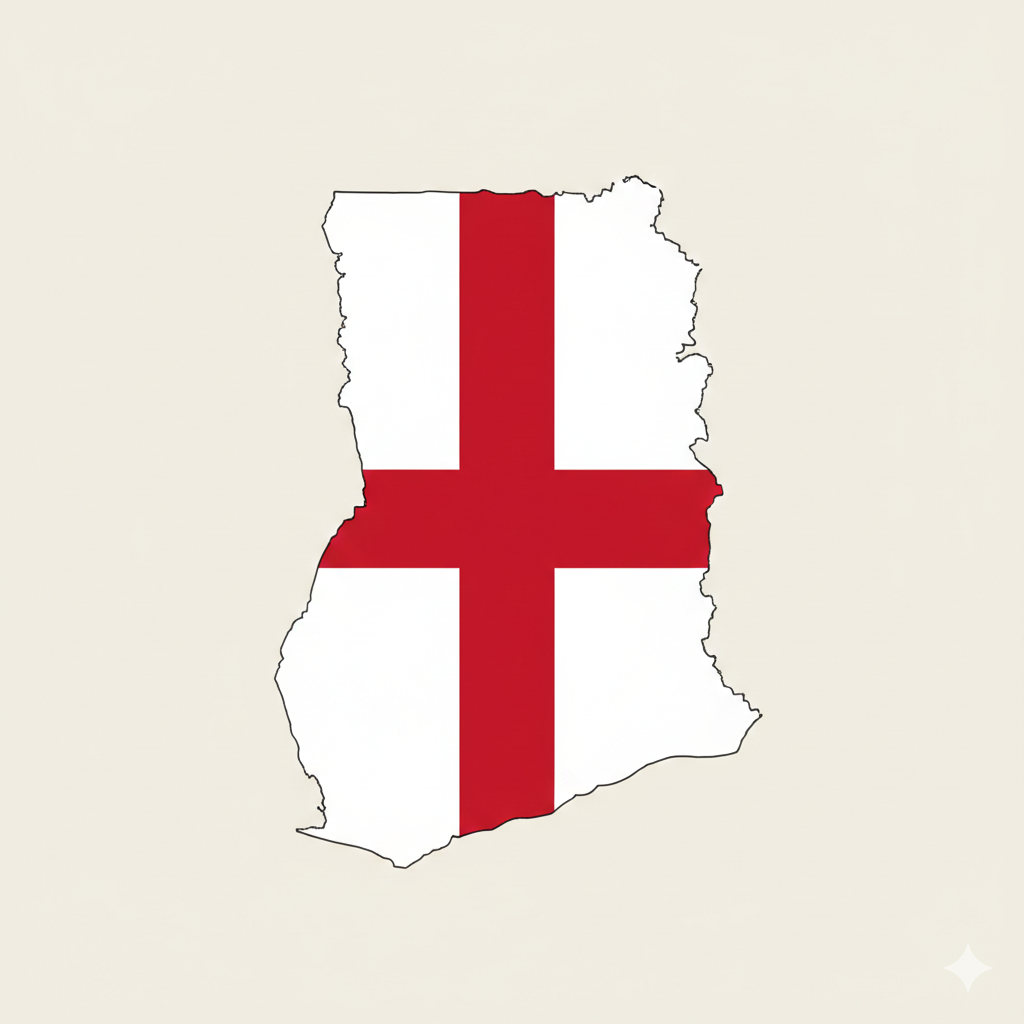
England v. Ghana
First reached by the Portuguese in 1482, the region was dubbed the 'Gold Coast' for its vast mineral wealth and became a fierce battleground for the British, Dutch, and Danes. It wasn't until 1874 that Britain formally established a colony, triggering decades of brutal conflict with the Ashanti Empire, a powerful inland state that resisted British expansion in a series of five major wars. Eventually, the push for independence was channeled through the United Gold Coast Convention and later the Convention People's Party, led by Kwame Nkrumah. After years of strikes, boycotts, and political agitation, the struggle culminated in 1957 when the Gold Coast became Ghana, the first sub-Saharan African nation to break from colonial rule and achieve full sovereignty (technically Liberia was founded as independent and Ethiopia wasn’t colonized).
Years: 1874 (Formal colony status) – 1957. Trade presence began as early as 1555.
First Interactions: In 1555, English captain John Lok brought five Ghanaians to London to learn English and facilitate trade. Initially, interactions were based on the "Gold Coast" trade (gold, ivory, and later slaves).
Famous Individuals:
Kwame Nkrumah (Ghana): The American educated leader who led Ghana to become the first sub-Saharan colony to gain independence.
Yaa Asantewaa (Asante Empire): The warrior queen who led the final major rebellion against British rule in 1900.
Famous Incidents:
The War of the Golden Stool (1900): A British official demanded to sit on the sacred Golden Stool (the soul of the Asante nation), triggering a massive uprising led by Yaa Asantewaa.
The 1948 Accra Riots: British police shot and killed peaceful protestors, an event that accelerated the move toward total independence.
Independence: March 6, 1957. It was achieved through a mix of civil disobedience led by Nkrumah and a post-WWII Britain that could no longer afford to maintain its empire.
Sentiments Today: In 2026, the two nations are moving toward a "Strategic Partnership." While the history of slavery is a somber backdrop, modern ties in education, sports, and the massive Ghanaian diaspora in London have created a strong ties.
Lasting Influences: The English language, the legal system (Common Law), and the obsession with football. Ghana’s school system and parliamentary structure are almost identical to Britain's. It is still part of the Commonwealth.
Helpful Context: Ghana was the first sub-Saharan African nation to gain independence. This makes them the "elder statesmen" of the continent, and they often lead the charge in demanding reparations or structural changes in the Commonwealth.
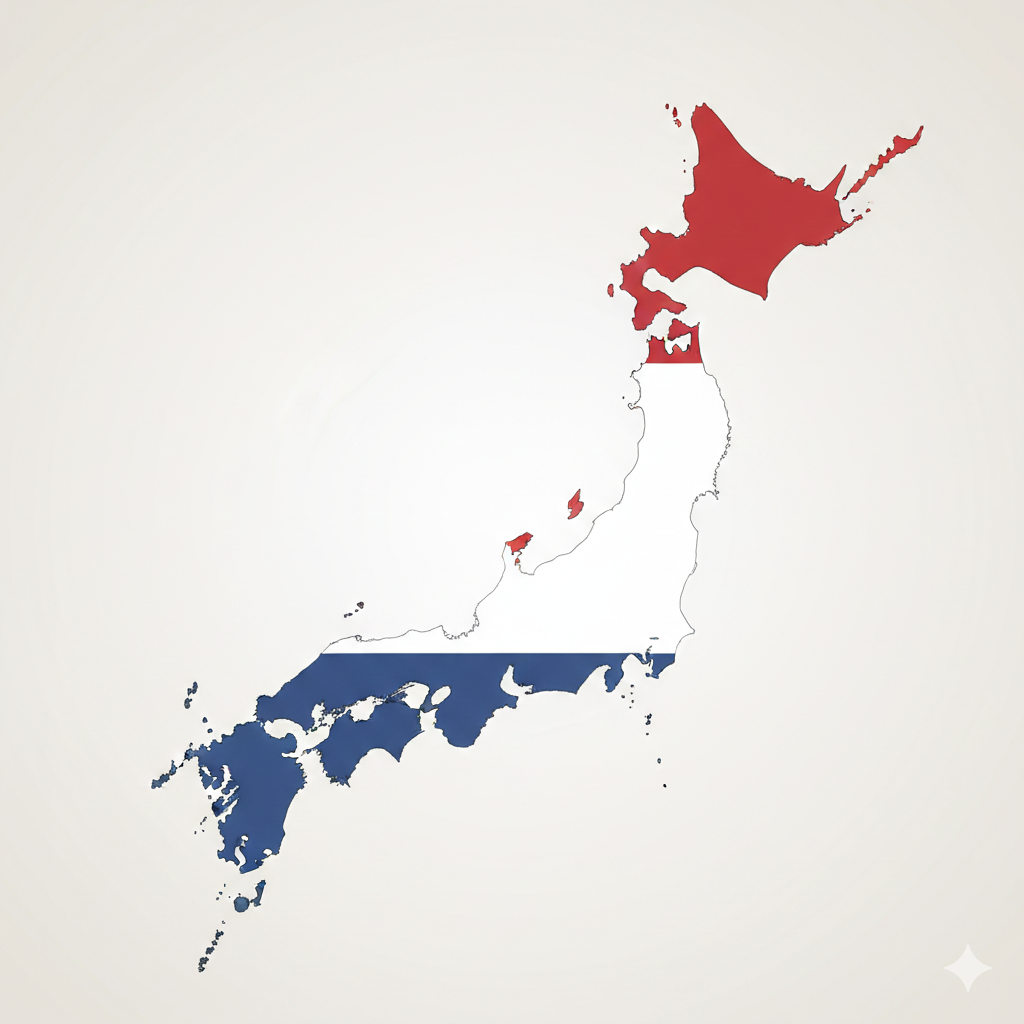
Netherlands v. Japan*
The Dutch maintained an exclusive trading partnership with the Japanese, based out of a trading post on the island of Dejima in Nagasaki harbor during the Rangaku Period (“Dutch / Western” learning) for over two centuries. This relationship was strictly commercial, with the Dutch focused on trade / profit and Japan controlling their access, preventing full colonization. And Japan had a pretty strict isolationist policy and received almost all news and western education through their Dutch partners.
Years: 1609–1854. This covers the period from the first official trading permit to the "Opening of Japan" by American Commodore Perry.
First Interactions: In 1600, a storm damaged Dutch ship, the Liefde, drifted ashore in Kyushu. It was the only remaining ship of a fleet of five that had left Rotterdam together. Most of the crew had died, but the survivors (including Englishman William Adams) were summoned by Tokugawa Ieyasu. He was impressed by their knowledge of cannons and navigation, eventually granting the Dutch East India Company exclusive trading rights over the existing relationships with the Catholic Portuguese. This is also basically the plot of the hit FX show in 2024, Shogun. Definitely give it a watch. I also found it interesting why the Japanese chose the Dutch over the Portuguese:
Exclusion of Religion: Unlike the Portuguese, who sought to spread Christianity, the Dutch, prioritized trade and promised not to interfere with Japanese religion or politics.
Technological Exchange: The Dutch provided valuable commodities and military technology (muskets/cannons) without attempting to proselytize.
Removal of Competition: The Dutch actively worked against the Portuguese and Spanish, and the Shogunate ultimately expelled the Portuguese after they were accused of fostering rebellion and enslaving locals.
Isolationist Compliance: The Dutch complied with the Shogunate's strictly regulated sakoku (closed country) policy, restricting themselves to the Dejima trading post, only visiting the mainland on government approved pre-planned trips.
Famous Individuals:
Tokugawa Ieyasu (Japan): The first leader of the Edo period, he has a lengthy Wikipedia page that is very complicated. Basically through decades of wars, he won the game of thrones, by winning the decisive final Battle at Sekigahara.
Philipp Franz von Siebold (Netherlands/Germany): A physician who lived on Dejima. He taught Western medicine to hundreds of Japanese students but was eventually exiled for "spying" after he was caught with forbidden maps of Japan.
Sugita Genpaku (Japan): A scholar who translated a Dutch anatomy book (Kaitai Shinsho), proving Western medical knowledge was more accurate than traditional theories and sparking the "Dutch Learning" revolution.
Famous Incidents:
The Expulsion of the Portuguese (1639): The Dutch actively helped the Shogun crush a Christian rebellion (the Shimabara Rebellion). In return, the Shogun kicked out all other Europeans, leaving the Dutch as the sole Westerners allowed to stay.
World War II Internment: The relationship hit a dark low when Japan invaded the Dutch East Indies (modern Indonesia) in 1942. Thousands of Dutch civilians and soldiers were held in brutal Japanese POW camps, a trauma that shadowed diplomatic ties for decades after the war.
Independence: Since Japan was never a colony, there was no "independence day." Instead, the relationship changed in 1854 when the U.S. forced Japan to open other ports. The Dutch monopoly ended, and their influence was superseded by the Americans and British.
Sentiments Today: Warm and appreciative. In 2026, the two nations share a "Strategic Partnership." Japan views the Dutch as the "original partners" in their modernization. While the WWII history is still remembered, it is largely addressed through high-level apologies and joint memorial services.
Lasting Influences: Many Japanese words for Western concepts come from Dutch, like biiru (beer), garasu (glass), and pen (pen).
Engineering: Dutch engineers were hired in the 1800s to build Japan's first modern floodgates and canal systems.
Other Context: The Dutch were confined to Dejima, a tiny artificial island in Nagasaki harbor. They were essentially "honorable prisoners" as they couldn't leave the island without permission, and no Japanese person (except officials and prostitutes) could enter.
Austria v. Algeria*
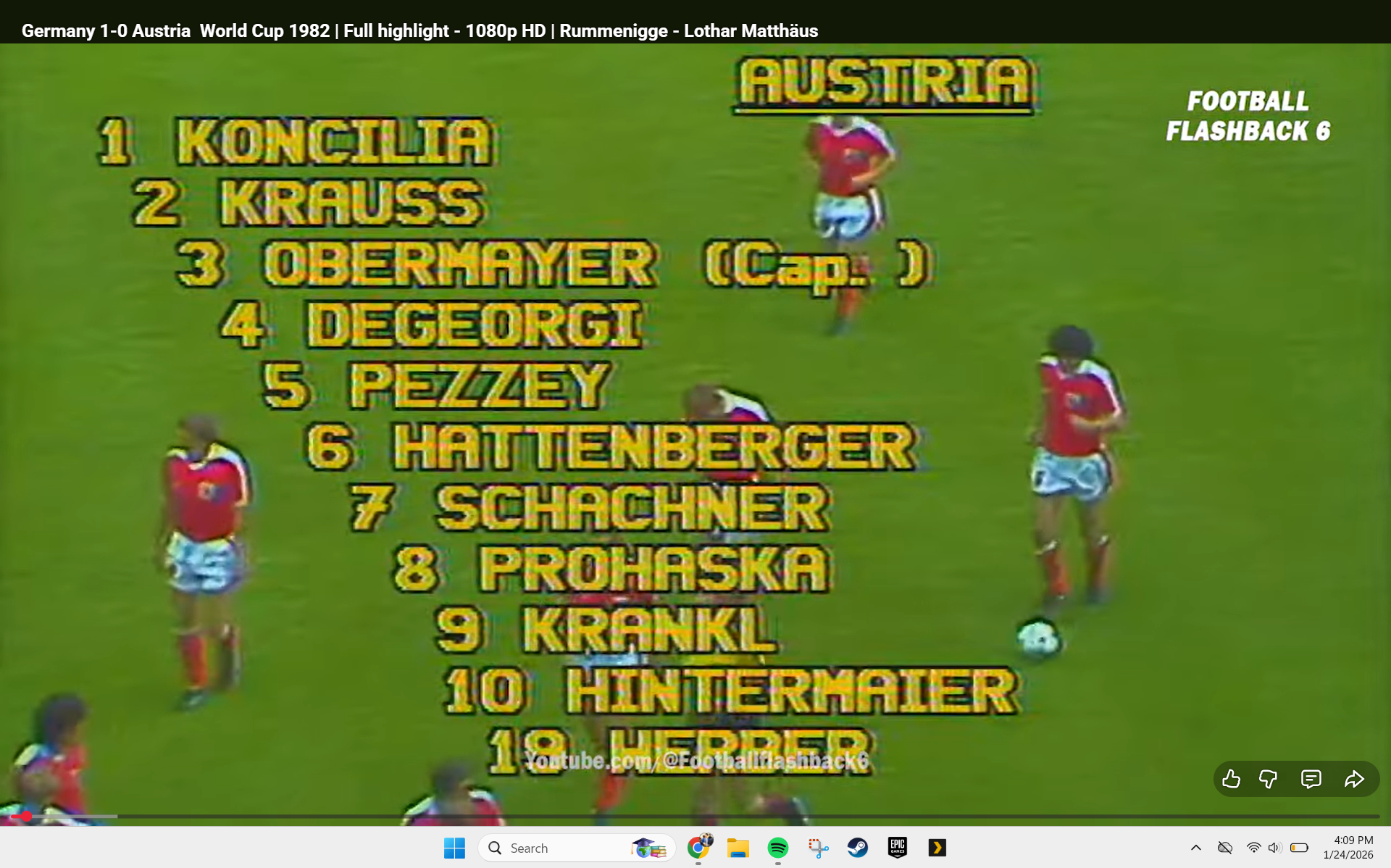
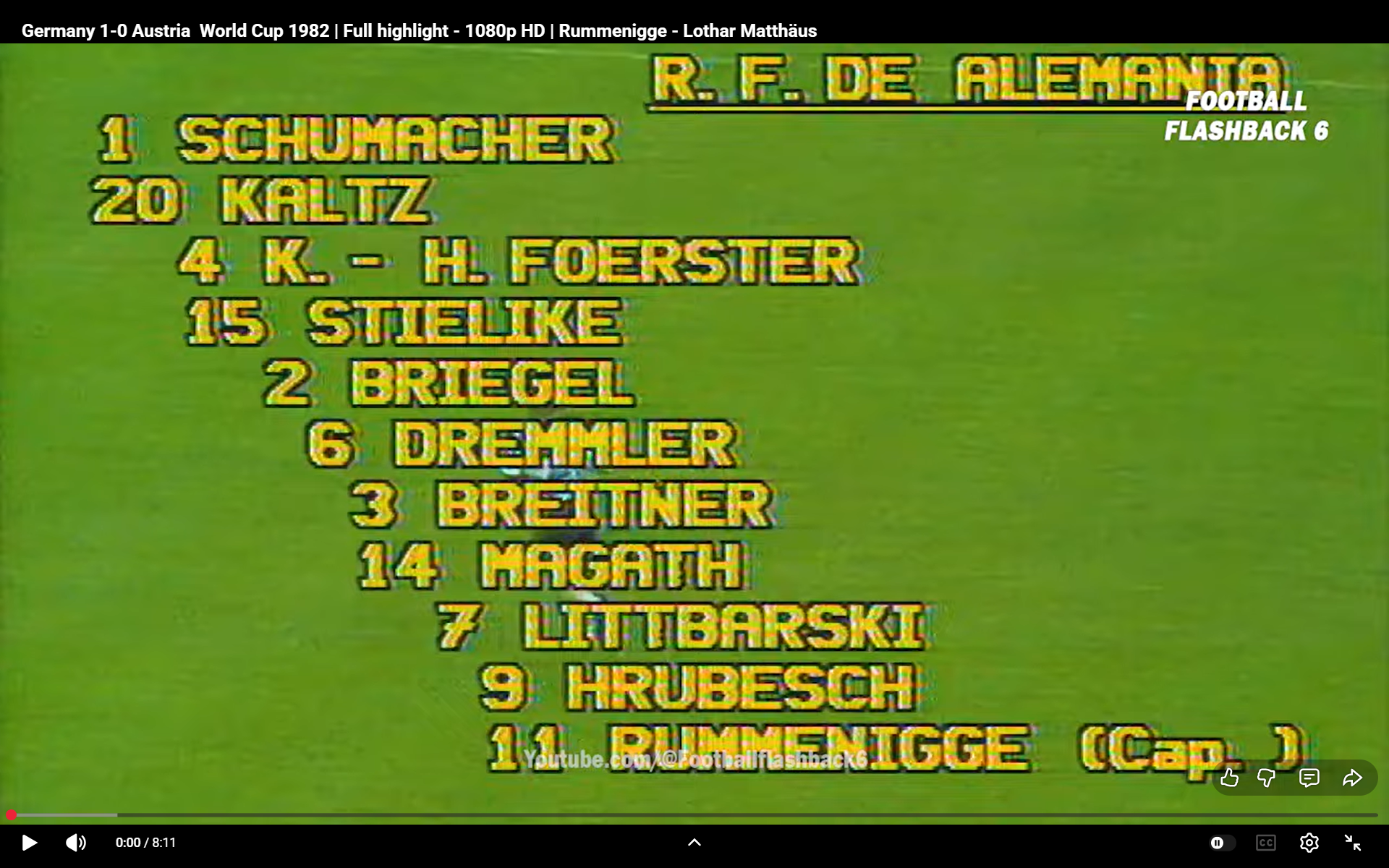
This isn’t an imperialist relationship, but it showed up in my research, so I thought I would share it. During the 1982 World Cup in Spain, Austria and West Germany allegedly colluded to ensure a 1-0 result that allowed both to advance out of the group stage at the expense of Algeria. It’s now called the Disgrace of Gijon, the Non-Aggression Pact of Gijon (Nichtangriffspakt von Gijón), Scandal of Gijon (فضيحة خيخون), or even The Shameful Match (le Match de la honte). Please watch this Secret Base video if you’re tired of reading and want some better produced content.
Algeria had already beaten West Germany earlier in the group stage 2-1, lost to Austria, and then beaten Chile. Basically going into the final match of the group stage (and Algeria and Chile had already played), the standings were thus:
Austria - 4
Algeria - 4
West Germany - 2
Chile - 0
Wins back then were worth 2 points instead of the 3 they’re worth now. Austria had a tiebreaker over Algeria due to goal differential. So if Germany won by 3 or fewer goals, then Austria would still have that tiebreaker over Algeria and both European teams would progress.
West Germany got an early goal in the 10th minute through Horst Hrubesch. Whether it was formally fixed or not, it seems by all accounts, that at some point in the first half, the teams basically stopped putting in effort and the second half was certainly incredibly lackluster, since the existing result guaranteed both teams to go through to the next round as is. In those 45 minutes only 3 shots were taken, and none of which were on target or taken from within 25 yards. Watching the highlights, it doesn’t seem particularly egregious, just a really relaxed game. Players were very hopeful with their forward balls and other attempts to get forward, and it just seemed like both teams didn’t feel a need to put in a lot of effort given the result had already solved things for themselves.
Fans in the stands waved money. Commentators suggested that viewers turn off the match and go watch other things. Fans eventually started chanting “Fuera, fuera” (“Out, out”), “Argelia, Argelia” (“Algeria, Algeria”), and “Que se besen, que se besen” (“Let them kiss, let them kiss”). The latter of which is pretty darn funny.
The ultimate dead rubber match. This match led to the rule that final group games must be played simultaneously. Though there should be a shoutout to Walter Schachner, an Austrian forward, who seemed to be the only one actually trying to play, actually picking up a yellow card in the second half.
Algeria got a chance for revenge against Germany in the 2014 edition, but lost to the eventual winners. Now, 44 years later, Algeria views this as a "revenge match" against the other European side that they feel robbed them of their great historical debut.
Famous Individuals:
Lakhdar Belloumi (Algeria): The legendary playmaker and 1981 African Footballer of the Year who scored the winner against West Germany. He remains the face of the "robbed" golden generation.
Hans Krankl (Austria): The star striker of the 1982 Austrian team. While a legend in Vienna, he is often remembered in Algeria as a key participant in the match that refused to move.
Sentiments Today: Deeply Resentful. In 2026, the Algerian press has dubbed the upcoming June 27th match in Kansas City as "The Revenge for our Grandfathers." While modern Austrian players weren't alive in 1982, the Algerian fans have never forgiven the "Anschluss" (the nickname given to the German-Austrian pact).
If you want to watch a highlight video of the match, here you go.